
Our Story
How a question about distance and craft turned into a way of teaching that works anywhere.
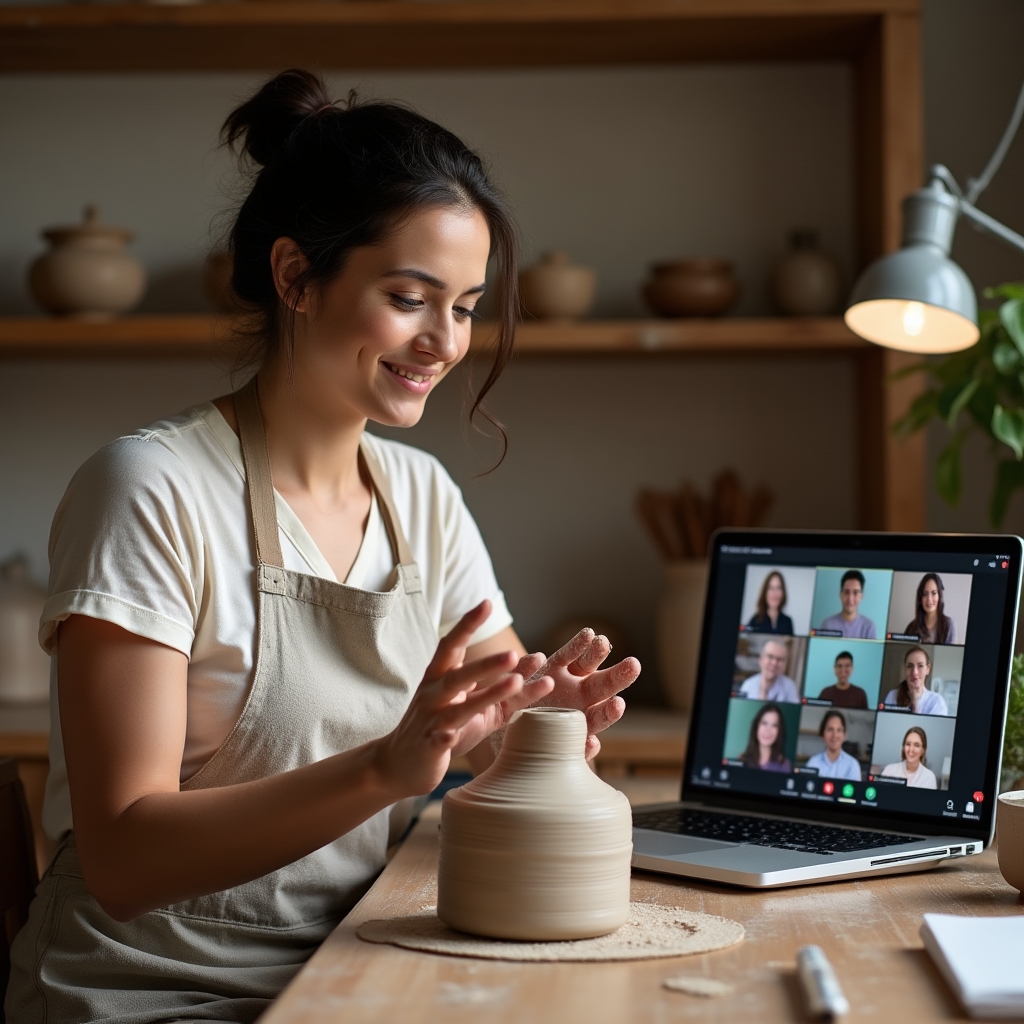
The question that started it
Pottery has always been a hands-on discipline. The assumption, for a long time, was that meaningful instruction required everyone in the same room, working at the same wheels, breathing the same clay-dusted air. That assumption held for decades because there was no practical alternative.
The question that started Gusiku Kunaca was simple: what if the physical materials could travel to the student instead of the student traveling to the studio? Not a video to watch later, but a live class happening right now, with a real instructor watching your hands through a camera and speaking to what they see.
The answer required solving two things at once. The kit had to be complete enough that students would not need to source anything themselves. And the class format had to stay small enough that the instructor could actually engage with each person rather than delivering a performance to a faceless audience.
The principles behind the format
Visibility matters
When a class has twenty students, the instructor cannot see anyone clearly. When it has six, they can notice that your clay wall is uneven before you do. The cap on class size exists because of this. It is not a marketing decision.
Preparation removes friction
A student who spends the first twenty minutes hunting for a suitable tool is not learning pottery. The kit solves this completely. Everything is there before the session starts, so the class can begin with clay in hand.
Feedback is the lesson
Demonstration alone does not teach pottery. The craft is learned through adjustment, through being told "your thumb needs to go here, not there." Live sessions with real-time feedback are the mechanism that makes online pottery instruction work.
Location should not limit access
A person in a city without pottery studios, or someone who cannot commit to weekly travel, deserves the same quality of instruction as someone who lives next to a ceramics school. The virtual format is not a compromise. It is a different kind of access.
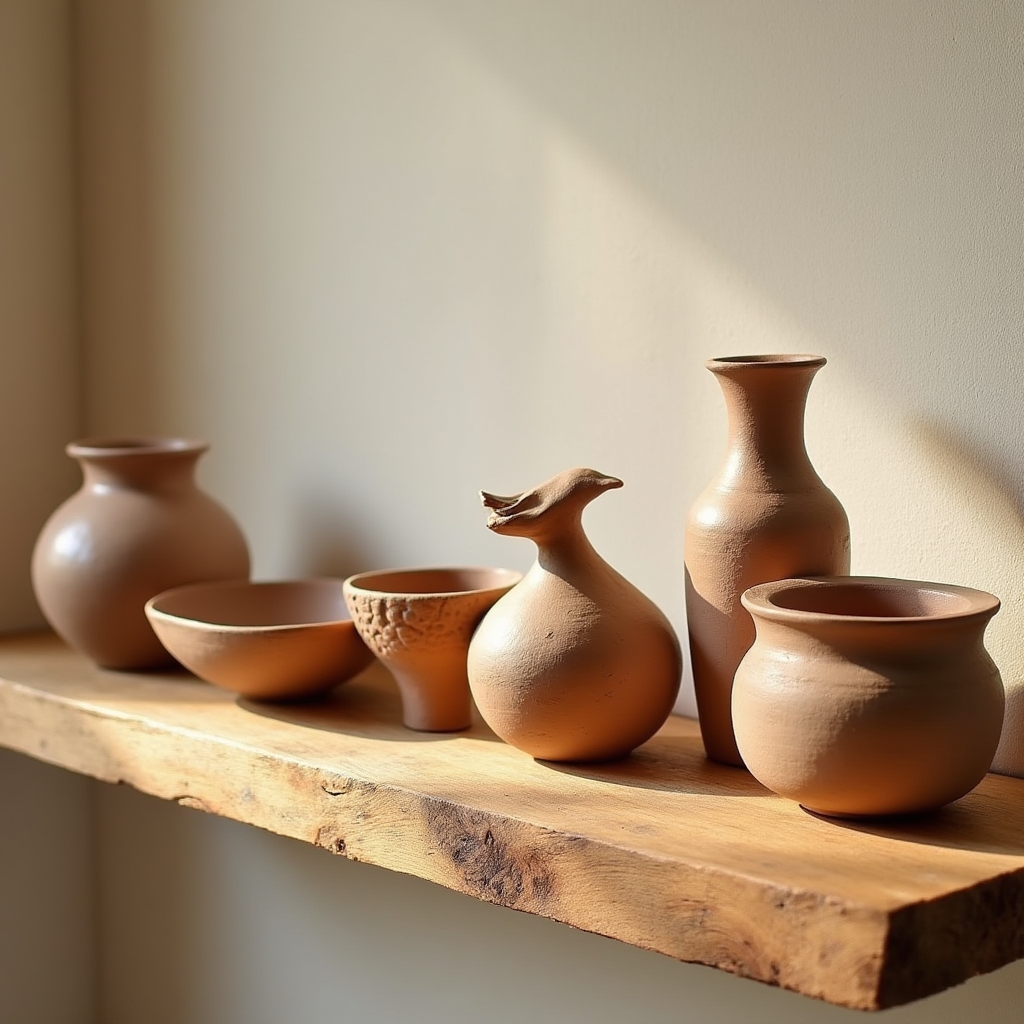
Where this goes
Gusiku Kunaca is a working studio, not a platform. Sessions are taught by people who make pottery, not by people who manage instructors. The class schedule is kept intentionally manageable so that quality stays consistent rather than scaling at the expense of the experience.
The format continues to be refined based on what actually happens in sessions. When something is not working, it gets changed. When a kit item turns out to be unnecessary, it comes out. The goal is a class that feels well-considered, because it is.
See What We Offer